

Obesity is a growing global health concern that affects individuals across all ages, backgrounds, and communities. It is linked to a wide range of health risks, including heart disease, diabetes, high blood pressure, joint problems, and mental health conditions such as anxiety and depression.

Our organs-such as the heart, liver, kidneys, lungs, and brain-are the core systems that keep the body functioning. Yet every year, millions of people experience organ-related diseases due to poor lifestyle habits, addiction, infections, environmental exposures, and lack of access to preventative care.

Sexual health is an essential part of a person’s overall physical, emotional, mental, and social well-being. It is not limited to the absence of disease-it includes positive, respectful experiences of sexuality and relationships, and the ability to have safe, informed, and consensual choices about one’s body.

Harmful lifestyle habits-such as substance abuse, unsafe sexual practices, poor nutrition, sedentary behavior, and tobacco use-are among the leading contributors to chronic illness, mental health decline, and premature death. These behaviors don’t just impact the individual;

As global life expectancy increases, the population of older adults is growing rapidly-and so is the responsibility to ensure they live not only longer, but healthier, safer, and more dignified lives.

The first years of life-especially the first 1,000 days-are a critical window for lifelong health and development. During this period, infants require proper nutrition, nurturing care, safe environments, timely vaccinations, and stimulation to support both physical growth and cognitive development.

Maternal health is a critical pillar of public health and family stability. It encompasses the physical, emotional, and psychological well-being of women before, during, and after pregnancy. Globally, too many women-particularly in low-income or marginalized

The health of children and young people is the foundation of any strong and sustainable society. This age group-spanning infants, school-aged children, and adolescents-is particularly vulnerable to malnutrition, developmental delays, preventable diseases, abuse, mental health challenges, and social exclusion.

Women’s health encompasses a wide range of physical, emotional, and psychological needs that evolve across every stage of life-from adolescence and reproductive years to menopause and elder care. Beyond biological differences, women often face unique barriers to care
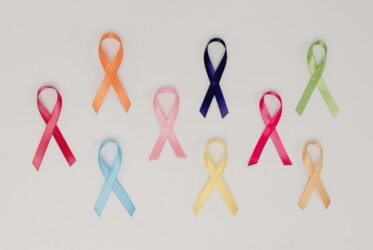
Overview Cancer remains one of the leading causes of death worldwide, but early detection through regular screening significantly increases the chances of effective treatment and long-term survival. At WakeUp Health, we are committed to promoting accessible, community-driven cancer awareness and screening services, particularly for populations that often face health disparities—such […]

Access to basic health needs is a fundamental human right and a foundation for long-term well-being. This includes not only healthcare access, but also the availability of clean water, nutritious food, safe shelter, proper hygiene, and essential clothing.

Digital health is revolutionizing the way healthcare is delivered, making it more accessible, efficient, and person-centered. From telemedicine platforms and mobile health apps to electronic health records and Al-powered diagnostics, technology is expanding access to care-especially for people

Disability is not just a medical condition-it is a diverse and lived human experience. It includes physical, sensory, intellectual, and mental impairments that may limit participation in daily activities. But more often, it is not the impairment itself that limits people-it is the barriers in society:

Substance abuse remains one of the most devastating health crises of our time. It impacts not only physical and mental health but also dismantles families, derails futures, and leads to cycles of trauma, crime, and poverty.

Drug and substance abuse is not just a personal crisis-it is a public health emergency with wide-reaching effects on individuals, families, and entire communities. It damages the body and mind, disrupts relationships, increases risk of violence and homelessness, and leads to long-term physical and mental health complications.